


Wind Energy Around the World — learn how nations harness wind power for clean electricity and explore onshore and offshore wind technologies.

Introduction to Wind Energy
Wind energy is one of the fastest-growing sources of renewable electricity worldwide. By converting the kinetic energy of wind into mechanical power and then electricity, wind turbines provide a clean, low-carbon alternative to fossil fuels. Onshore and offshore installations enable countries to diversify their energy portfolios and reduce reliance on conventional power generation.
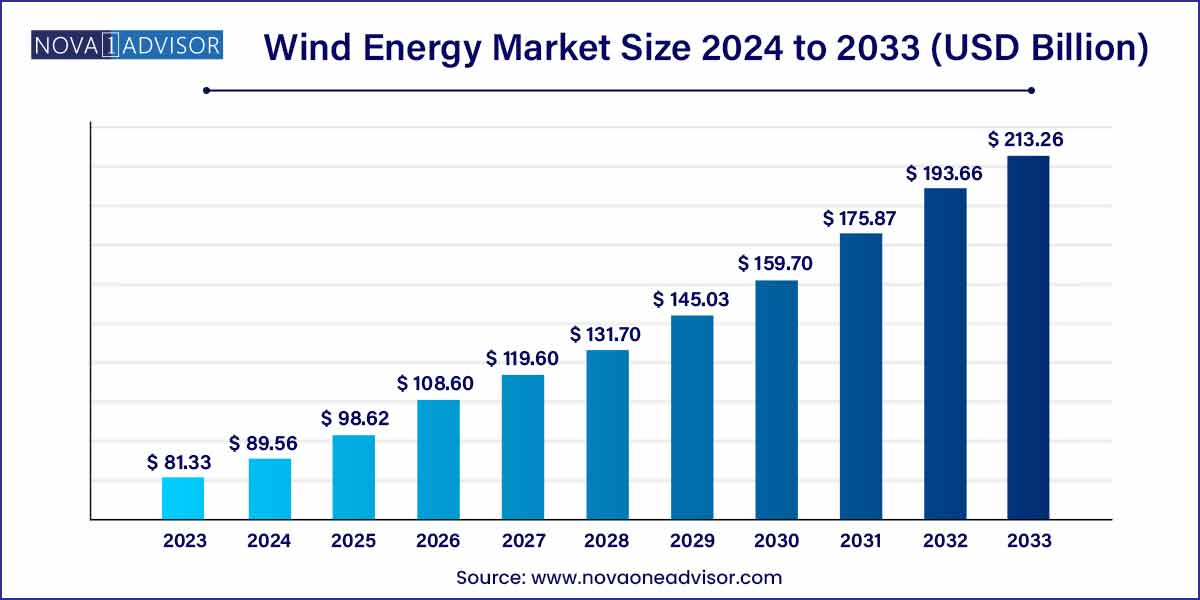
Technological advances, declining costs, and supportive policies have accelerated global wind adoption. Wind energy now contributes significantly to national grids in Europe, Asia, and the Americas, powering millions of homes and reducing greenhouse gas emissions at scale.
Global Adoption Trends
Countries worldwide are rapidly scaling up wind energy projects:
- China: The global leader with over 300 GW installed capacity, investing heavily in both onshore and offshore turbines.
- United States: Expanding wind farms across the Midwest and offshore Atlantic coast, supported by federal incentives.
- Germany: Pioneering offshore wind technology in the North Sea with high grid integration.
- India: Ambitious national targets aiming for 60 GW by 2030, leveraging favorable wind corridors.
These initiatives illustrate how wind energy is strategically used to achieve sustainable energy goals while driving economic growth and job creation in manufacturing and installation sectors.

Wind Turbine Technology
Modern wind turbines consist of rotor blades, a nacelle containing the gearbox and generator, and a tower that supports the structure. The rotor blades capture wind energy, turning a shaft that drives the generator to produce electricity. Offshore turbines are larger and more efficient, capable of producing more megawatts per unit than typical onshore turbines.
Innovations include variable pitch blades, taller towers for stronger winds, and smart sensors that optimize performance. Wind turbines are increasingly integrated with battery storage and hybrid renewable systems to ensure continuous power supply despite wind variability.

Environmental and Economic Impacts
Wind energy produces zero emissions during operation, helping countries reduce their carbon footprints. Wind farms, whether onshore or offshore, occupy relatively small land areas while generating significant electricity. Economically, wind projects create jobs in manufacturing, logistics, construction, and maintenance, supporting local communities.
Proper site selection, environmental monitoring, and community engagement are key to minimizing ecological impact, protecting bird populations, and ensuring sustainable development. Wind energy is now a critical component of climate action strategies worldwide.
Future Outlook
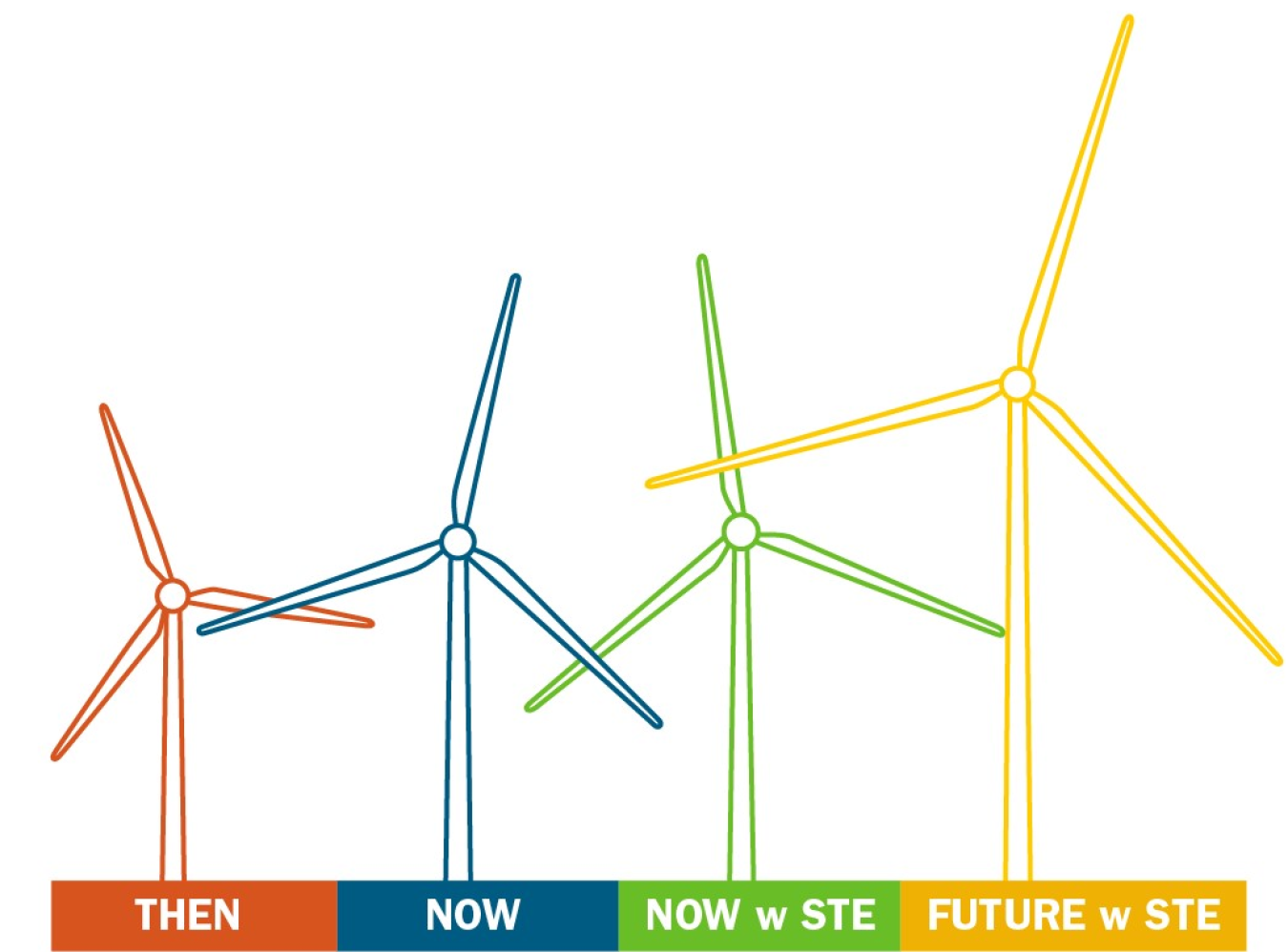
The wind energy sector is expected to grow exponentially, with offshore wind playing a major role in global energy transition. Integration with smart grids, energy storage, and hybrid renewable systems will improve reliability and efficiency. Floating turbines and next-generation blade technology promise higher energy yields and expanded deployment options.
As countries commit to net-zero emissions, wind energy will remain a cornerstone of clean power generation. Continued investment in technology, education, and policy support will ensure wind energy drives sustainable development worldwide.