


Wind Energy Tech — discover advanced turbine designs, offshore solutions, and innovations enhancing efficiency and reducing costs in wind power generation.
Overview of Wind Energy
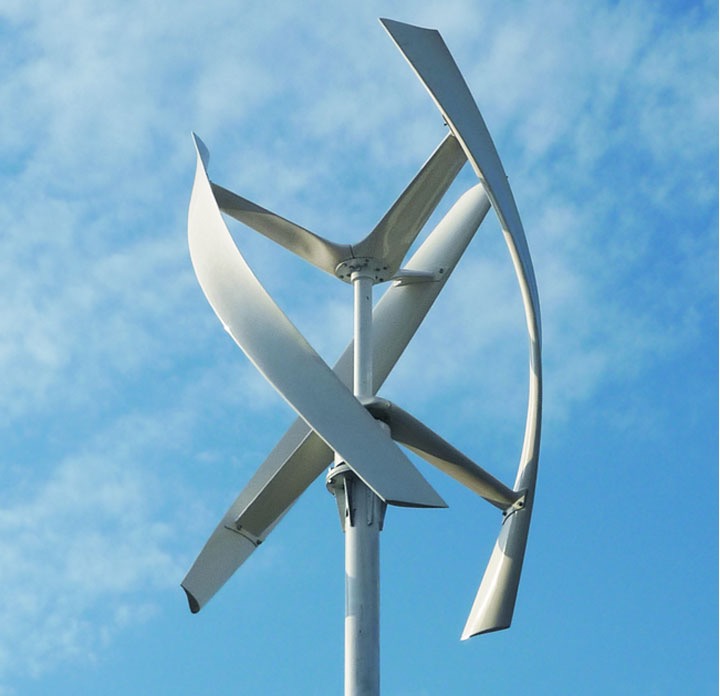
Wind energy is one of the fastest-growing renewable energy sources worldwide. Modern turbines convert kinetic energy from wind into electricity efficiently, contributing significantly to national energy grids. Both onshore and offshore wind farms provide scalable solutions for utilities and communities aiming to reduce carbon emissions.
Technological advancements in blade design, materials, and aerodynamics have improved capacity factors and lowered costs, making wind energy increasingly competitive with conventional power generation.
Onshore and Offshore Innovations
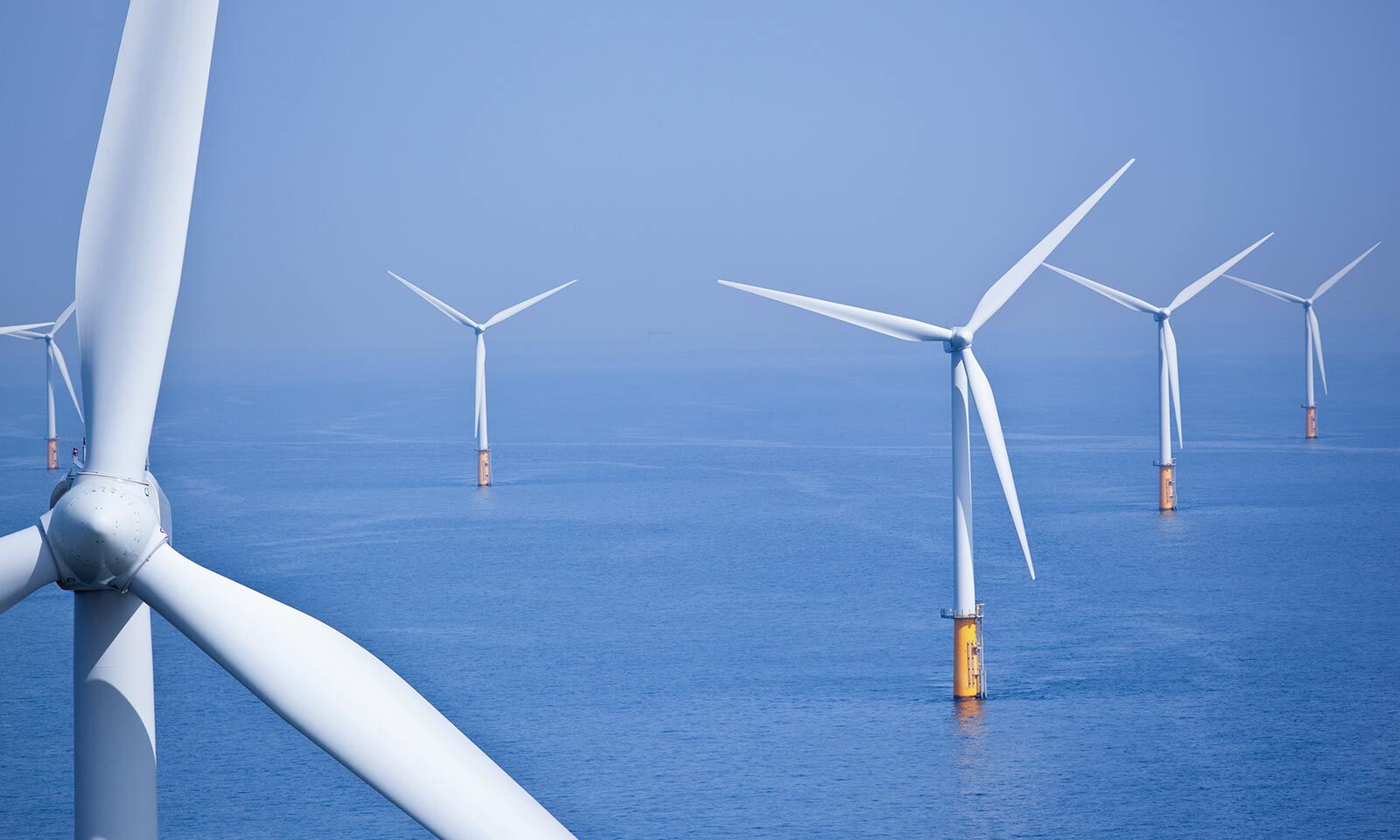
Onshore wind farms continue to evolve with taller towers and larger rotors, increasing energy capture from moderate winds. Offshore wind farms, meanwhile, benefit from stronger and more consistent wind speeds, enabling large-scale generation with reduced visual and land impact.
Floating offshore platforms are now opening up deeper waters, while advanced foundation and anchoring techniques ensure stability and longevity. Turbine siting, predictive maintenance, and grid integration tools further enhance performance and reliability.

Technological Innovations
Wind technology continues to improve with innovations such as:
- Larger rotor diameters capturing more energy per turbine.
- Direct-drive and low-maintenance drivetrain designs reducing mechanical complexity.
- Advanced sensors, predictive maintenance, and AI-controlled turbine optimization.
- Integration with hybrid energy systems and storage to provide stable power supply.
These technologies reduce operational costs, improve reliability, and increase electricity output, making wind energy a cornerstone of sustainable power generation.
Economic and Environmental Benefits
Wind energy is cost-effective and creates jobs in manufacturing, installation, and operations. Environmentally, wind turbines generate electricity without emissions, reduce reliance on fossil fuels, and conserve water compared to conventional power plants.
Community and utility-scale projects support energy independence while contributing to global climate goals, making wind energy a vital part of sustainable energy portfolios.
Future Outlook
Wind energy is poised for further growth with offshore expansion, floating turbines, and hybrid integration with solar and storage systems. Advanced materials, AI-based operations, and grid optimization will continue to improve efficiency and reliability.
As countries commit to net-zero emissions, wind power will be a critical contributor to decarbonized energy systems, providing clean, affordable, and sustainable electricity worldwide.