


Hydropower Modernization — learn how modern hydropower projects optimize energy output, environmental protection, and integration with other renewable sources.

Overview of Hydropower
Hydropower remains one of the largest sources of renewable electricity worldwide. Modernization efforts aim to increase efficiency, reduce environmental impacts, and integrate hydropower with other renewables such as solar and wind.
New turbines, improved water management, and digital monitoring systems allow hydropower plants to maximize output while minimizing ecological disruption.
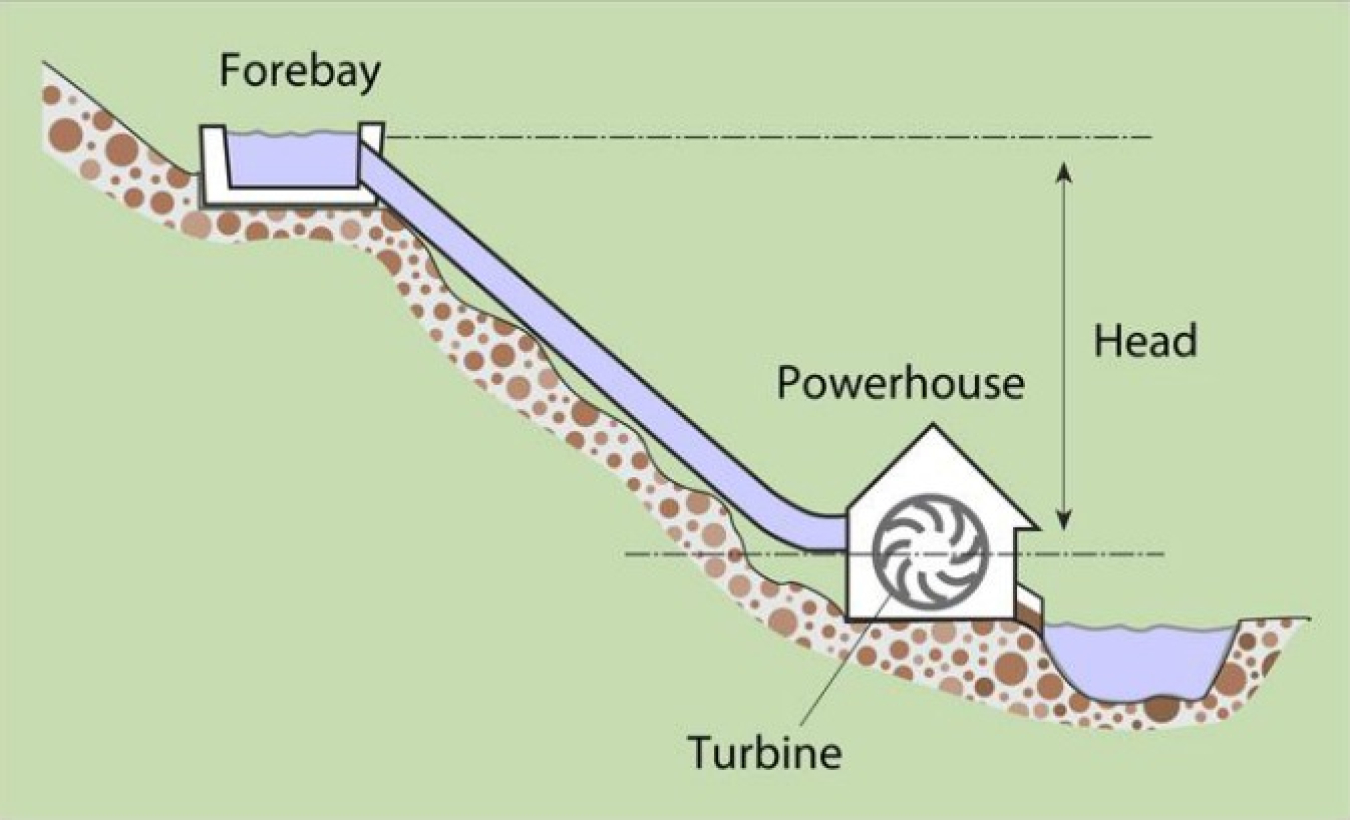
Modern Turbine and Plant Designs
Innovations in turbine technology, including variable-speed and fish-friendly turbines, allow plants to generate more electricity with less water and minimal ecological disruption. Small and medium-scale hydropower projects complement large dams, providing flexible and localized energy solutions.
Digital control and automation improve operational efficiency, reduce maintenance costs, and allow real-time optimization of water resources.

Integration with Other Renewable Sources
Modern hydropower is increasingly integrated with solar and wind energy. Pumped storage plants act as batteries, storing excess renewable energy and supplying it during peak demand.
Coordinated control systems and real-time data allow operators to balance variable generation from wind and solar with stable hydropower output, enhancing grid reliability.
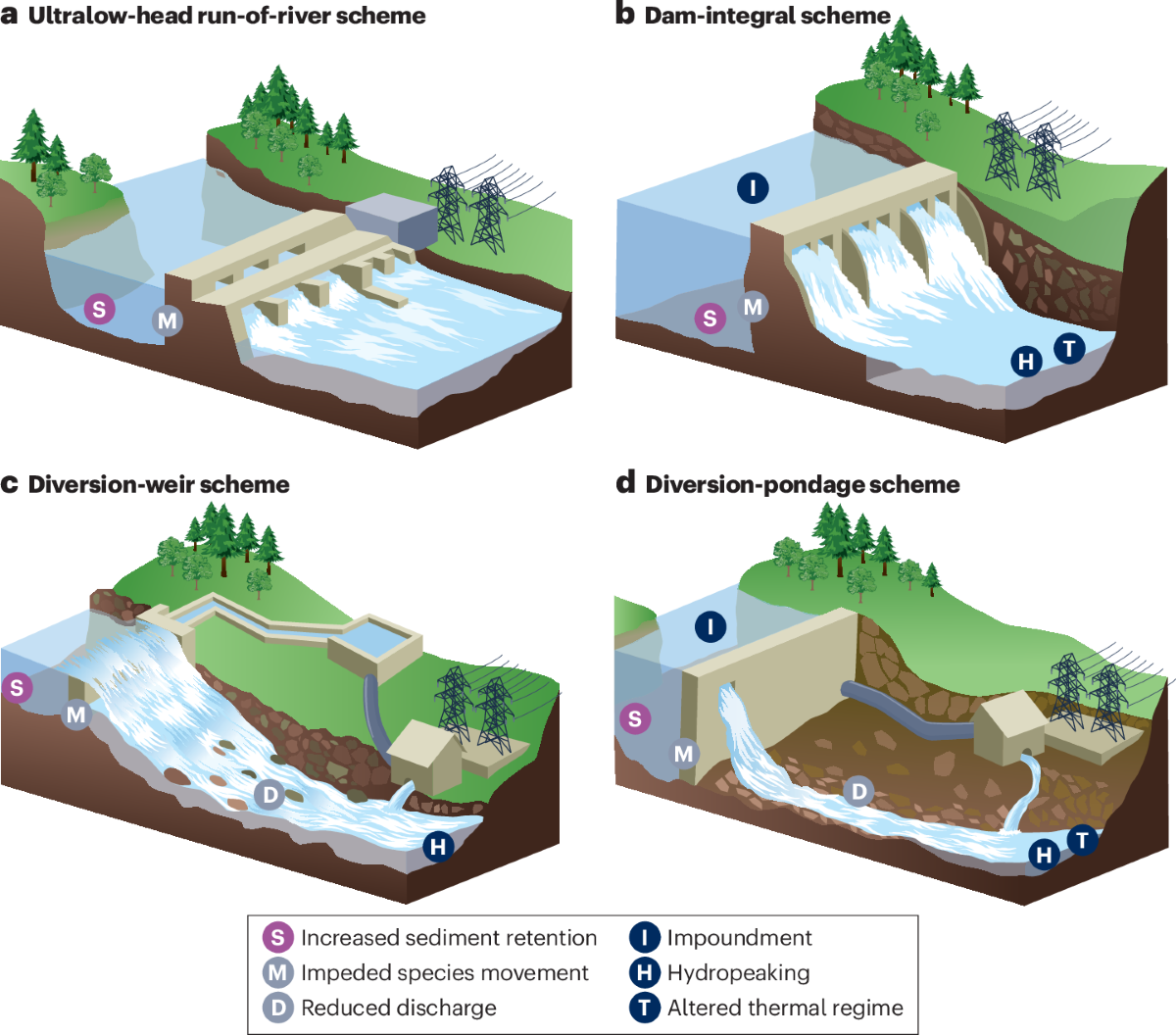
Environmental and Community Considerations
Hydropower modernization reduces environmental impact through careful water flow management, fish passages, and sediment control. Community engagement ensures social benefits and reduces conflicts.
Smaller-scale projects and retrofits of existing dams allow energy generation without the negative ecological effects of large-scale dam construction.
Future Outlook
The future of hydropower focuses on modernization, hybrid integration with other renewables, energy storage, and ecological sustainability. Digitalization and advanced turbine designs will increase output, reduce costs, and improve environmental performance.
Hydropower will remain a key contributor to clean energy portfolios, enabling reliable, low-carbon electricity worldwide.