


Building Sustainable Cities — explore urban planning, renewable integration, and smart infrastructure strategies that enable cities to reduce emissions and energy consumption.
Urban Planning for Sustainability
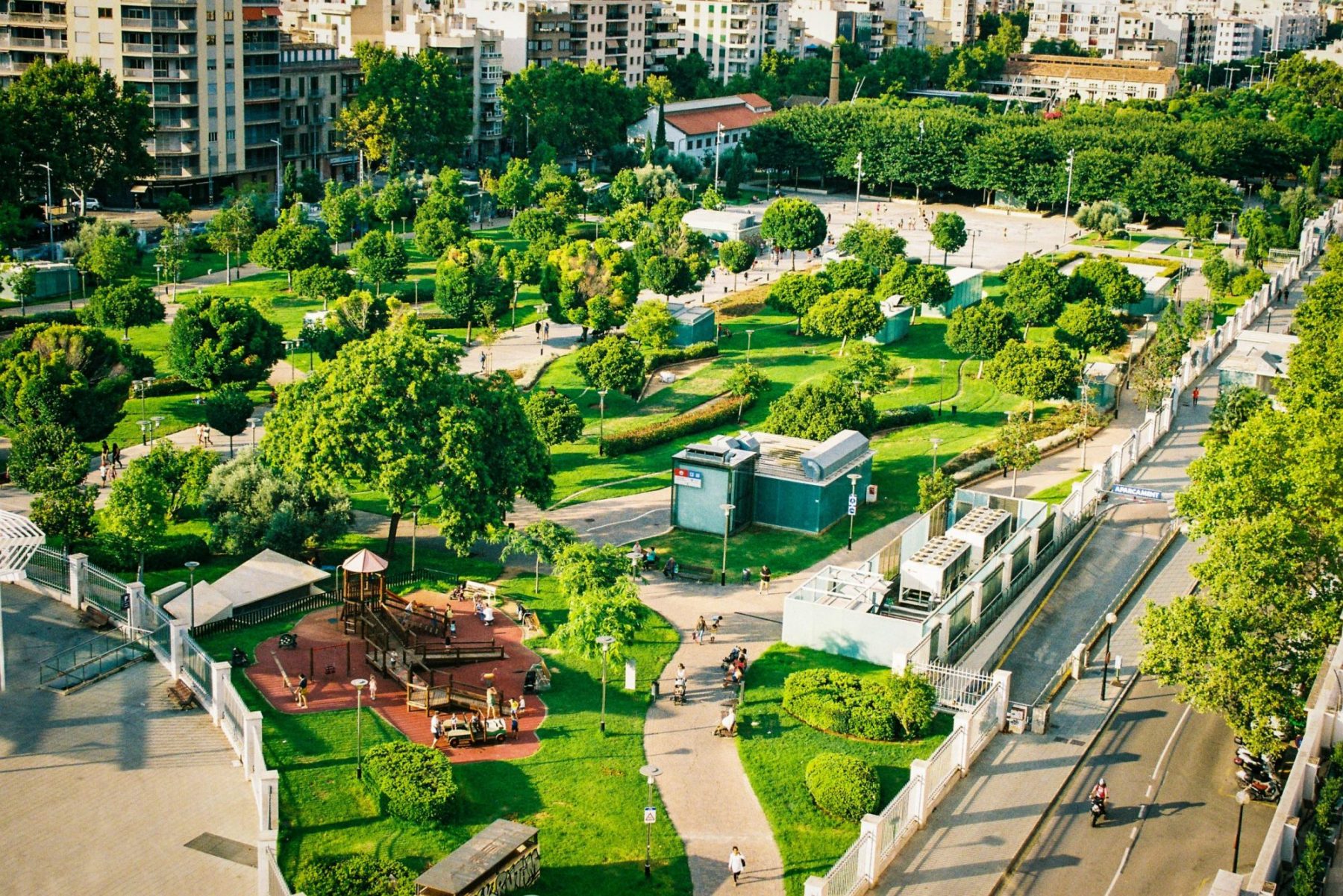
Sustainable urban planning focuses on compact, walkable neighborhoods, mixed-use development, and efficient public transport. Reducing reliance on private vehicles and optimizing land use cuts greenhouse gas emissions and energy consumption.
Incorporating green spaces, energy-efficient buildings, and integrated transport networks enhances livability and resilience against climate impacts.

Renewable Integration in Cities
Cities are increasingly adopting rooftop solar, small wind turbines, and district heating systems to reduce dependency on fossil fuels. Smart grids and local storage solutions help balance supply and demand efficiently.
Integration of renewables in urban energy systems reduces emissions and enhances energy security while fostering community participation in clean energy initiatives.
Smart Infrastructure and IoT
Smart sensors, IoT devices, and data analytics optimize energy use in lighting, heating, cooling, and water management. Smart meters and real-time monitoring help residents and businesses adjust consumption patterns, lowering energy waste.
Integration with mobility apps, electric vehicle charging, and intelligent traffic systems reduces urban congestion and enhances air quality.

Green Buildings and Public Spaces
Urban sustainability includes high-performance buildings with energy-efficient materials, green roofs, and renewable energy systems. Public parks and green corridors improve air quality, provide cooling, and enhance biodiversity within cities.
Encouraging sustainable practices at the community level—such as rainwater harvesting, waste recycling, and community gardens—strengthens resilience and fosters local engagement.
Future Outlook
The future of sustainable cities depends on integrated planning, renewable energy adoption, and smart technologies. Collaboration between governments, businesses, and citizens will drive low-carbon, resilient urban environments.
Sustainable cities can reduce emissions, optimize energy use, improve quality of life, and serve as models for regional and global sustainability initiatives.