


Energy Efficiency at Home — practical strategies to reduce energy use, optimize appliances, and adopt sustainable living practices.
Understanding Home Energy Use
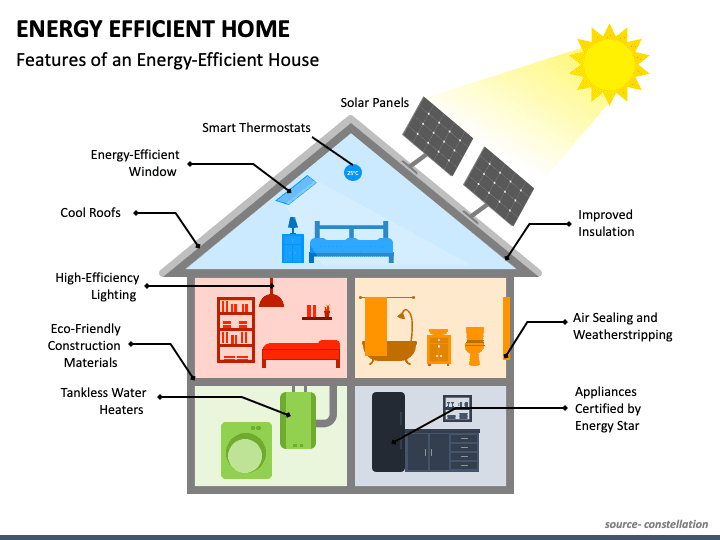
Understanding how your household consumes energy is the first step toward efficiency. Heating and cooling typically account for the largest share, followed by appliances, lighting, and electronics. Conducting a home energy audit or using smart energy meters can identify high-consumption areas and opportunities for savings.
Awareness of energy patterns allows homeowners to target interventions, from upgrading insulation to using energy-efficient devices. Small behavioral changes, like turning off unused lights or unplugging electronics, can cumulatively make a significant difference.
Efficient Lighting Solutions
Switching to LED bulbs is one of the simplest and most effective ways to reduce home energy consumption. LEDs use up to 80% less energy than incandescent bulbs and last significantly longer. Incorporating smart lighting controls, dimmers, and motion sensors further minimizes unnecessary usage.
Strategic placement and natural lighting design can also decrease reliance on artificial light. Integrating skylights, reflective surfaces, and light-colored interiors enhances brightness while reducing electricity costs.

Optimizing Appliances and Electronics
Modern appliances with energy-efficient certifications, such as ENERGY STAR, consume less electricity without compromising performance. Refrigerators, washers, dryers, and dishwashers can be replaced or maintained to maximize efficiency.
Proper usage habits, such as running full loads, maintaining regular cleaning schedules, and using eco-modes, further reduce energy use. Smart plugs and timers can automate energy savings for electronics and prevent phantom energy losses.
Heating, Cooling, and Insulation
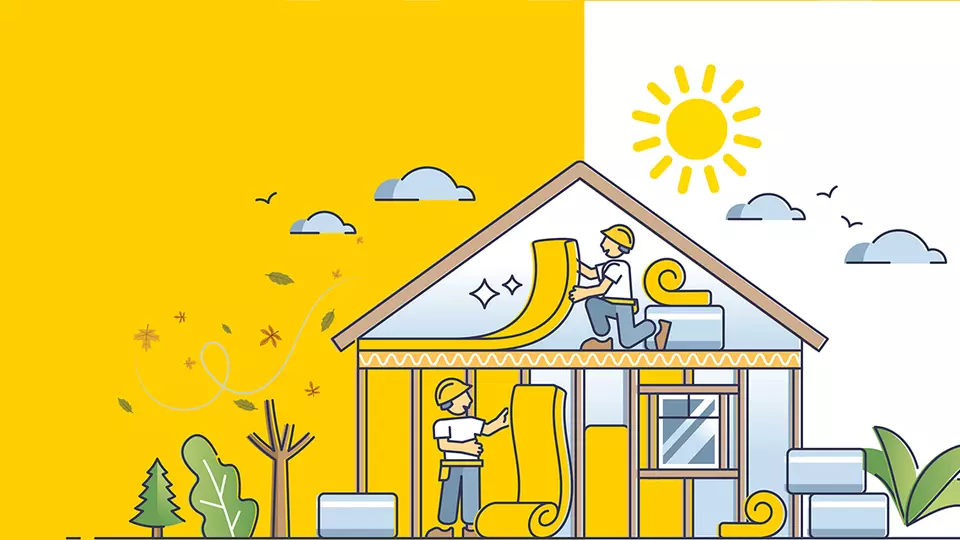
Proper insulation and weatherization drastically reduce energy needed for heating and cooling. Sealing leaks, upgrading windows, and insulating walls and attics maintain indoor comfort with less energy.
Using programmable thermostats or smart HVAC systems ensures energy is used only when needed, avoiding waste while maintaining optimal indoor conditions. Even small improvements can yield measurable energy savings.
Integrating Renewable Energy at Home
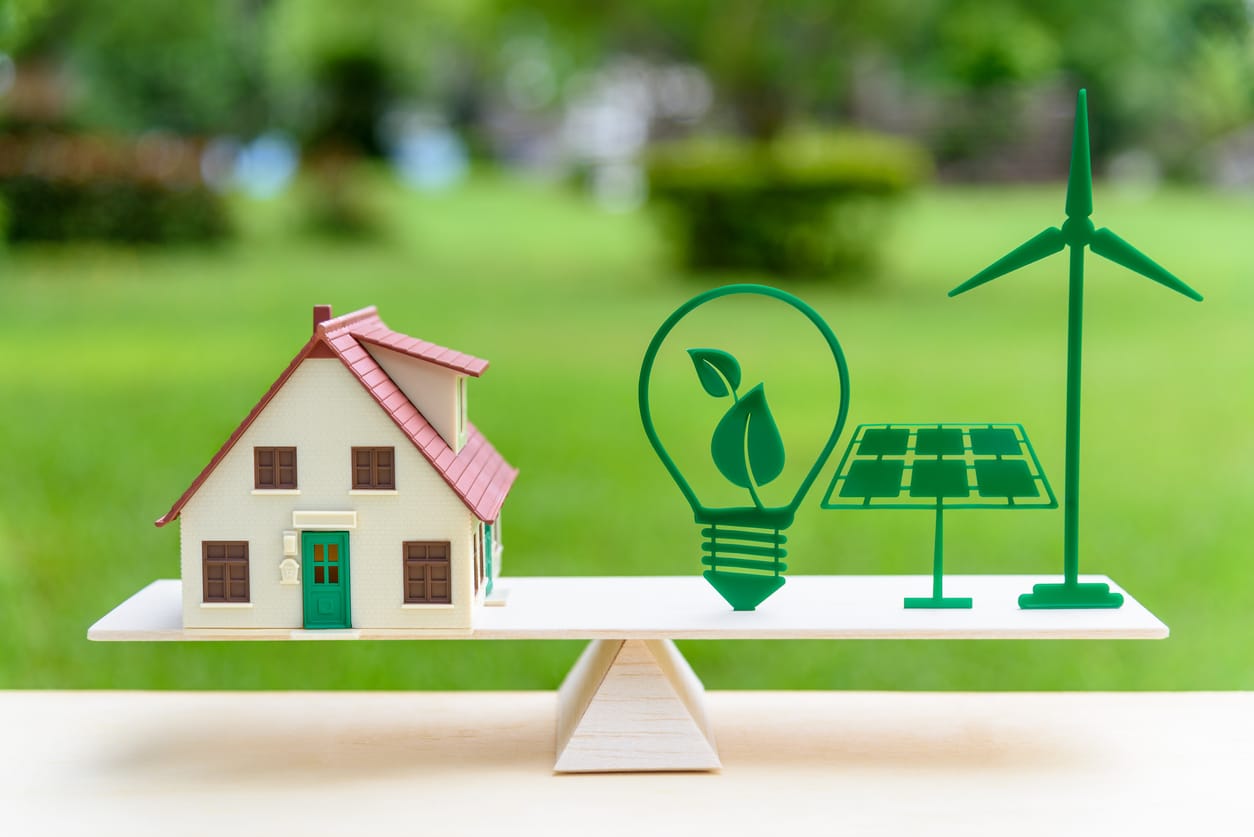
Residential renewable energy, like rooftop solar panels, can offset a significant portion of household electricity consumption. Paired with battery storage and energy monitoring systems, homeowners can reduce reliance on the grid and cut utility costs.
Governments and local utilities often provide incentives, rebates, and net-metering options that make renewable energy integration economically attractive while promoting sustainability.