


Global Solar Energy Trends — explore solar technologies, adoption rates worldwide, and innovations shaping the future of solar power.

Overview of Solar Energy
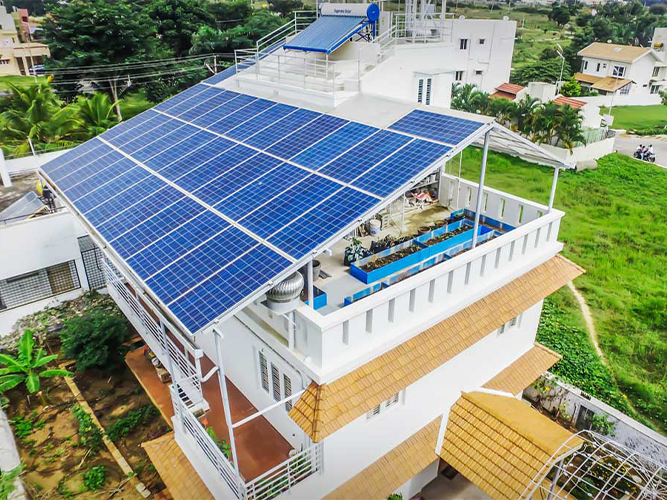
Solar energy is rapidly becoming a cornerstone of the global renewable energy transition. With photovoltaic (PV) and thermal solar technologies evolving, solar power is increasingly efficient, scalable, and economically viable. Countries worldwide are adopting solar not only to reduce greenhouse gas emissions but also to secure energy independence and stimulate green economic growth. Residential rooftops, utility-scale solar farms, and innovative floating solar installations are shaping a diverse landscape of solar deployment.
Technological innovations, government incentives, and declining equipment costs have made solar a viable option for urban and rural regions alike. From small-scale home systems to massive solar power plants generating hundreds of megawatts, solar energy adoption is accelerating globally.
Global Adoption Trends
Countries across the globe are aggressively expanding solar capacity:
- China: The largest solar producer with over 300 GW of installed PV capacity, driving global market growth.
- United States: Rapidly growing residential and commercial solar installations supported by federal and state incentives.
- Europe: Germany, Spain, and Italy continue to lead in rooftop solar adoption and grid integration.
- India: Ambitious national targets aim to reach 100 GW of solar capacity by 2030, powered by the National Solar Mission.
These trends demonstrate how solar energy is increasingly considered a strategic resource, enabling energy security, job creation, and reduced carbon emissions.

Technological Innovations
Solar technology continues to evolve at a rapid pace:
- High-efficiency PV cells, including bifacial and tandem technologies.
- Floating solar farms on reservoirs, lakes, and industrial water bodies.
- Building-integrated photovoltaics (BIPV) that blend into urban architecture.
- Advanced solar tracking systems that optimize sunlight capture and energy output.
These innovations not only increase energy production but also reduce the environmental footprint of solar installations. Solar research is increasingly focused on cost-effective manufacturing, longer panel lifespans, and integration with energy storage systems to ensure continuous, reliable power.

Economic and Environmental Impacts
Solar power is economically competitive with traditional energy sources. Costs have dropped dramatically over the last decade, and government subsidies further enhance affordability. Solar projects create jobs in manufacturing, installation, maintenance, and research. Environmentally, solar energy mitigates greenhouse gas emissions, reduces air pollution, and lowers water usage compared to fossil fuel generation.
Community-scale projects empower local economies while providing clean energy access. Countries investing in solar infrastructure benefit from energy independence and long-term sustainability.

Future Outlook
The solar industry is poised for exponential growth. Integration with energy storage, smart grids, and hybrid renewable systems will enable continuous energy supply. Innovations like perovskite solar cells, AI-optimized energy management, and transparent solar windows will further transform urban and rural energy landscapes.
As nations commit to net-zero emissions, solar energy will be a central pillar of the transition to sustainable power systems. Investment in research, policy support, and education will ensure solar continues to drive economic, environmental, and social benefits worldwide.