


Hydropower Projects and Impact — dive into hydropower systems, their environmental considerations, and the role they play in providing sustainable energy worldwide.

Introduction to Hydropower
Hydropower is one of the oldest and most reliable forms of renewable energy. By capturing the energy of flowing or falling water, hydropower systems generate electricity without emitting greenhouse gases during operation. Both small-scale micro-hydro projects and large-scale dams provide electricity for communities worldwide.
Hydropower also offers opportunities for water management, irrigation support, and flood control, making it a multifunctional resource that benefits both energy and local infrastructure.

Global Implementation
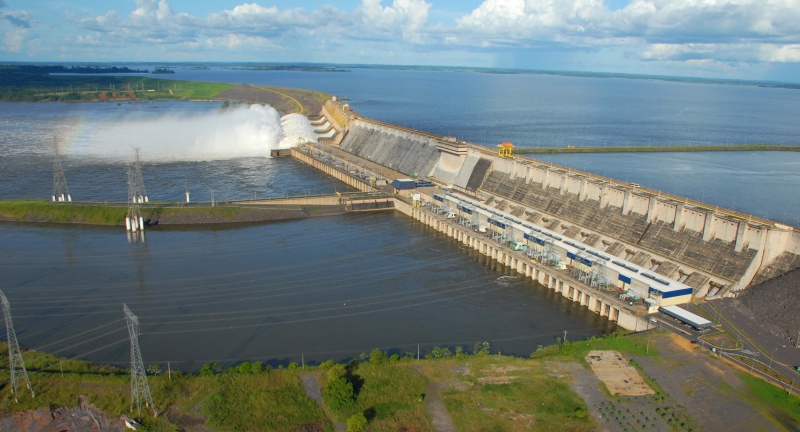
Countries like China, Brazil, and the United States are leaders in hydropower production. China alone has installed over 350 GW of hydropower capacity, powering millions of homes and contributing significantly to renewable energy targets. Brazil’s Itaipu Dam, one of the largest in the world, supplies over 15% of the country’s electricity.
Smaller nations also use micro-hydro and run-of-river projects to provide electricity to remote communities, demonstrating the adaptability and scalability of hydropower systems.

Types of Hydropower Systems
Hydropower systems vary widely: small-scale micro-hydro projects generate a few kilowatts, while large dams produce hundreds of megawatts. Pumped-storage facilities allow water to be stored in elevated reservoirs during low-demand periods and released to generate electricity during peak demand.
Understanding the right system for a region requires evaluating water availability, environmental impact, and energy needs, ensuring sustainable implementation.
Environmental Considerations
While hydropower is renewable, it can impact aquatic ecosystems, fish populations, and river biodiversity. Effective management includes fish ladders, controlled water releases, and careful reservoir planning to minimize environmental disruption.
Social and ecological assessments are critical, especially for large-scale dams, to ensure that hydropower development benefits communities without causing long-term ecological harm.
Future of Hydropower
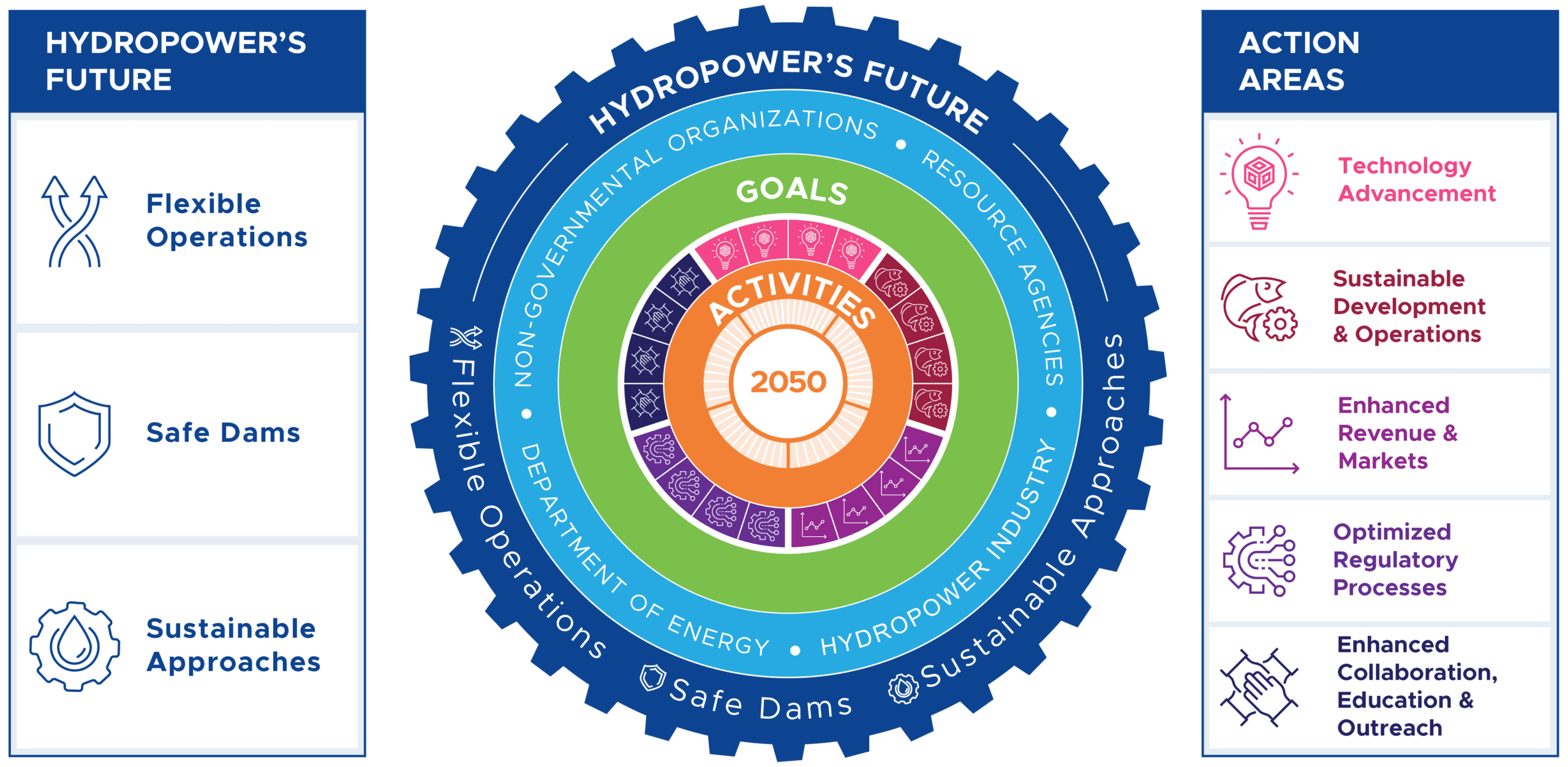
The future of hydropower lies in modernization and sustainability. Small modular hydro plants, pumped-storage expansion, and integration with other renewables can enhance energy reliability. Innovation in turbine design and real-time monitoring allows higher efficiency while reducing environmental footprint.
Hydropower will continue to play a vital role in achieving global renewable energy targets, complementing solar and wind power to provide consistent, low-carbon electricity worldwide.