


The Rise of EVs — explore how electric vehicles are reshaping transportation, reducing emissions, and linking mobility with clean, renewable energy systems.

The Global Shift Toward Electric Mobility
Electric vehicles (EVs) have moved from niche transportation options to mainstream mobility solutions. Nations worldwide are adopting EVs to cut carbon emissions, reduce reliance on fossil fuels, and meet energy transition goals. Rapid technological advancements, declining battery prices, and strong policy support have made EVs increasingly accessible for consumers and businesses.
The global EV market has experienced exponential growth, with millions of cars, buses, and bikes now powered by electricity. Urban areas benefit from quieter streets, reduced air pollution, and improved public health outcomes making EVs more than a transportation trend, but a cornerstone of sustainable city planning.
Battery Technology Driving the Revolution
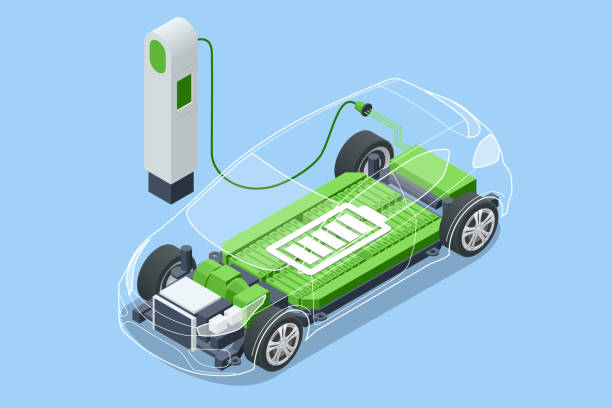
Advances in lithium-ion battery chemistry including high-density cells, solid-state technologies, and improved thermal management are extending EV driving ranges and reducing charging times. Global investment in gigafactories ensures stable supply chains while lowering production costs.
Beyond personal cars, battery innovation enables electric buses, trucks, and two-wheelers to enter commercial fleets. Fleet electrification plays a critical role in cutting emissions from logistics and public transport, sectors traditionally dependent on diesel.
Charging Infrastructure & Renewable Energy Integration
The expansion of charging networks fast chargers, smart home chargers, and workplace charging supports widespread EV adoption. Integrating charging with renewable energy ensures EVs operate with truly low carbon footprints.
Smart charging aligns electricity demand with renewable availability, while vehicle-to-grid (V2G) technology transforms EVs into mobile storage units. These cars can supply energy back to the grid during peak hours, enhancing grid reliability and flexibility.
As countries deploy more solar and wind energy, linking EV charging to clean power accelerates the shift to sustainable transport systems.

The Future of Electric Transportation
The future of EVs extends beyond cars. Smart mobility ecosystems combining EVs, autonomous driving, shared mobility, and connected infrastructure will transform how people move. These ecosystems support low-carbon, efficient, and safe urban environments.
Governments and industries are planning large-scale transitions, setting phase-out dates for petroleum vehicles and offering incentives for EV adoption. As manufacturing scales and charging infrastructure expands, EVs will become the default choice for mobility.
With continued innovation and robust policy support, electric mobility will become a global driver of sustainability, economic growth, and energy independence.